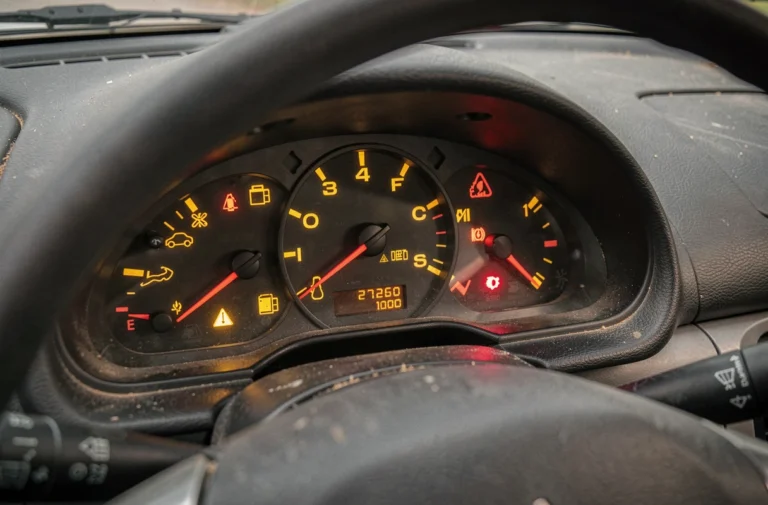
A warning light coming on while driving on the highway, a suspicious braking noise at a red light, a technical inspection bill with three major failures: we’ve all experienced at least one of these situations without knowing how to react. Understanding the world of automobiles doesn’t require becoming a mechanic, but mastering a few concrete benchmarks that change the daily management of a vehicle.
Registration certificate and European category: what the J box changes for the technical inspection
When preparing for a technical inspection, we often think about mileage or the age of the vehicle. However, the frequency of the inspection depends on the European category listed in box J of the registration certificate, not on the brand or the odometer.
A sedan classified as M1 does not follow the same schedule as a light utility vehicle classified as N1. Some utility vehicles are even subject to an additional pollution inspection, a constraint that many van owners discover at the time of inspection.
Since April 15, 2024, motorized two-wheelers (category L) are also subject to mandatory technical inspections. You can find tips and advice on Atypique Info to navigate these regulatory changes that now affect all types of vehicles, not just passenger cars.
The reflex to adopt: open your registration certificate, locate box J, and check the exact frequency that applies to your vehicle. This avoids unpleasant surprises when the garage calls to announce a missed deadline.

End of the green insurance card: verification and reflexes to adapt
Since April 1, 2024, the green insurance card is no longer required for vehicles registered in France. Insurance verification is now done through the national FVA database (File of Insured Vehicles), accessible to law enforcement in real-time.
In practice, there is no longer a need to stick the green sticker on the windshield or carry the certificate in the glove compartment. Only the information statement remains useful for changing insurers or proving a history of no-claims bonuses.
This change simplifies daily life but creates a blind spot: without the visual reminder of the sticker, some drivers forget to check that their contract is active. A vehicle with an unpaid premium remains recorded as uninsured in the FVA database, and the fine comes without warning during a roadside check.
Two checks to make each year
- Confirm with your insurer that the contract is active and that the premium is up to date, especially after a change of credit card or bank account
- Keep the information statement handy (in digital or paper format) to facilitate any potential cancellation or change of company
- Check that the vehicle appears in the FVA database in case of doubt, especially after a sale or transfer of ownership
Cost of car repairs: why electronics weigh more than the engine
We still associate costly breakdowns with heavy mechanical problems: head gasket, clutch, turbo. Embedded electronics now represent the primary source of unexpected expenses on recent vehicles.
Parking sensors, automatic transmission control units, multimedia touch screens, engine management modules: these components are expensive to diagnose and replace. A faulty sensor can immobilize a vehicle just as surely as a broken timing belt.
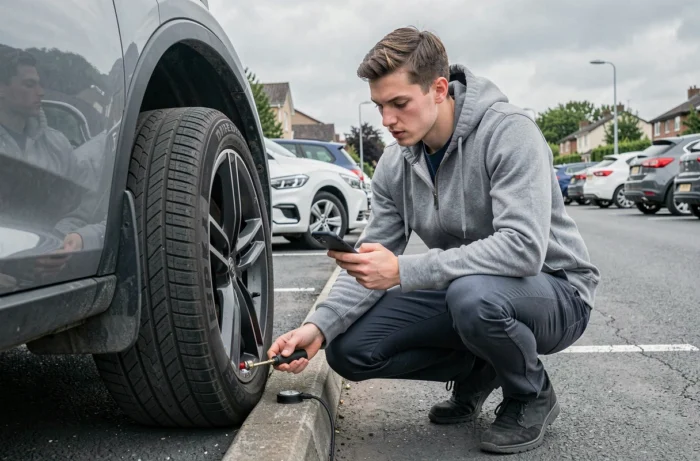
Anticipating electronic costs on a used vehicle
When buying a used car equipped with driving aids (cameras, parking radar, adaptive cruise control), it’s essential to check that all these systems are functioning during the test drive. A silent parking radar may seem trivial. The replacement bill for the module, however, is not.
Feedback varies on this point depending on the brands and generations of vehicles, but a trend emerges: the more technology a vehicle has, the further the maintenance budget strays from traditional estimates. Practical guides focused solely on mechanics (oil changes, brakes, tires) overlook this growing aspect.
Low emission zones and Crit’Air sticker: concrete constraints for driving in the city
Low emission mobility zones (ZFE-m) impose traffic restrictions based on the Crit’Air sticker. In practice, a Crit’Air 4 or 5 vehicle can no longer circulate in several major French urban areas during the specified hours.
The Crit’Air sticker can be ordered online and must be affixed to the windshield, on the right interior side. It remains valid as long as the vehicle is not modified or sold. Many drivers forget it when purchasing a used vehicle: the seller is not required to provide it.
- Before buying a used vehicle, check its Crit’Air classification based on the Euro standard listed on the registration certificate (box V.9)
- Consult the list of active and planned ZFE-m in the urban areas where you regularly drive
- Be aware that an older diesel vehicle classified as Crit’Air 4 or 5 will lose value upon resale in the affected urban areas
Link between Crit’Air and technical inspection
The technical inspection checks pollutant emissions, but it does not take the Crit’Air sticker into account. You can pass your technical inspection while being banned from driving in a ZFE. These are two distinct systems, and confusing them can lead to avoidable fines.
Navigating the automotive world today requires a blend of mechanical, administrative, and regulatory skills. The most useful practical guides are those that start from a concrete situation (breakdown, purchase, inspection) rather than an abstract concept. It is by checking your box J, monitoring your FVA database, and anticipating electronic costs that you keep control of your auto budget.